GTA 6 diving detail points to nitrogen narcosis, not the bends
A GameStar column identifies a dangerous deep-water effect in GTA 6. Independent diving sources suggest it is closer to nitrogen narcosis than decompression sickness.
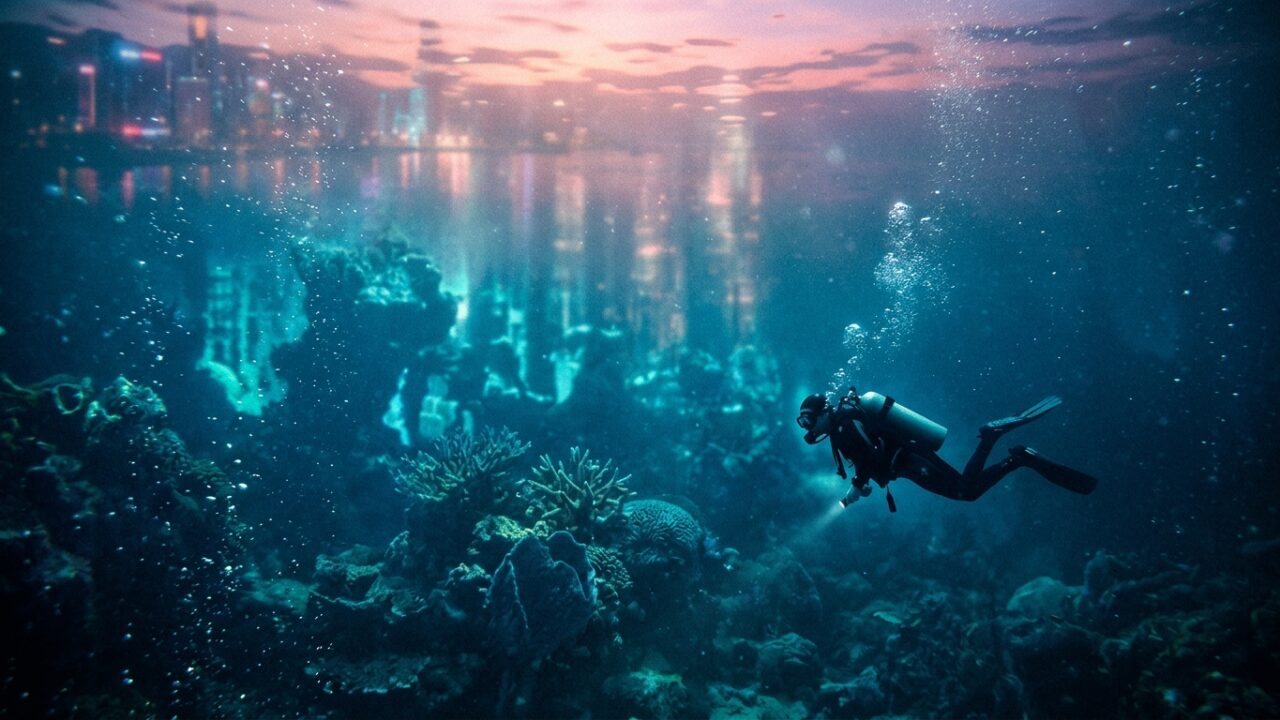
A GameStar column has highlighted a deep-water effect in GTA 6 (Grand Theft Auto 6), but the terminology needs a correction: the reported screen blur and rapidly falling air supply resemble nitrogen narcosis more closely than decompression sickness. The distinction matters because the two conditions have different causes and consequences in real diving.
What GameStar observed underwater
In her November 25 column, GameStar writer Stephanie Schlottag described diving with Jason and Lucia until the daylight faded. She estimated the critical depth at roughly 50 to 60 meters because GTA 6 does not display a depth gauge. At that point, she reported a blurred screen and a rapidly depleting air supply; ascending several meters made the symptoms disappear.
GameStar labels this effect “Tiefenrausch,” the German term commonly used for nitrogen narcosis, and suggests that the characters begin hyperventilating. The article presents that explanation as an interpretation rather than a Rockstar description of the mechanic. It also notes that the game does not reproduce the full consequences of a rapid ascent.
Independent guides confirm the surrounding diving systems. IGN and Eurogamer describe scuba diving as an activity unlocked through the Chapter 1 mission Island Dreams, with equipment used to search wrecks and recover treasure. Game8’s guide records an underwater breath meter and says it is refreshed at the surface, while The Leonida reports seeing an O2 bar and no depth gauge in its PS5 playthrough.
Narcosis is not the bends
The medical distinction changes how the detail should be understood. The Divers Alert Network describes nitrogen narcosis as an altered mental state caused by breathing nitrogen at increased pressure, with the risk rising as depth increases. Its diving guidance separately defines decompression sickness as nitrogen coming out of solution and forming bubbles in tissue or blood during or after a sudden ascent.
That comparison fits the behavior described by GameStar: symptoms appearing at depth and easing after ascending are consistent with the general pattern of nitrogen narcosis. Decompression sickness, by contrast, is associated with the ascent and can involve joint pain, neurological problems or other symptoms rather than an immediate, reversible blur at depth. This is a comparison of the reported behavior with DAN’s medical definitions, not confirmation of Rockstar’s internal design.
The result is a more precise reading of GTA 6’s realism. Rockstar appears to use depth, visibility, air management and a temporary impairment effect to make deep dives feel dangerous, while simplifying the medical model for an action game. Players can therefore treat the scene as a narcosis-like gameplay cue, not as a simulation of decompression sickness or a safe guide to real scuba diving.
The broader underwater activity remains more conventional: players need scuba gear, can dive from boats, use an O2 or breath resource, and search wrecks for treasure. Those systems are independently described by IGN, Eurogamer, Game8 and The Leonida, giving the reported realism detail a documented gameplay context beyond GameStar’s column.
Discuss in the forum
What do you think about this story? Start the discussion in our forum.
Discuss in the forum →